
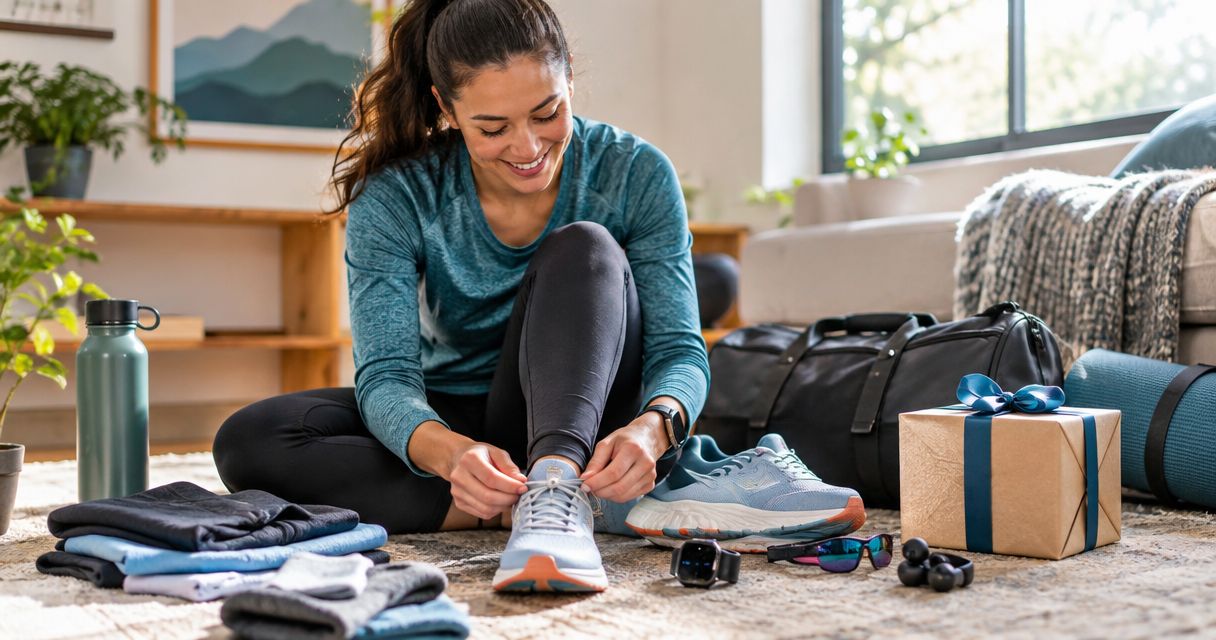
Best overall: running socks in the runner’s preferred style. Best personalized keepsake: a custom route sculpture from Printmyroutes. Best budget option: help with long-run logistics. These gifts for first marathon training cover daily use, practical support, and a milestone worth remembering in 2026.
- For gifts for first marathon training, choose familiar running gear rather than unfamiliar race-day equipment.
- Printmyroutes custom route sculptures are best for commemorating a first marathon or meaningful training route.
- Buy socks, nutrition, and carrying gear around the runner’s existing preferences.
- Give training support now; save a completed-route keepsake for after the finish.
Why this matters
A first marathon is 26.2 miles, or 42.195 kilometers. Preparing for that distance involves more than the finish line: long runs, carrying essentials, practicing fueling, and fitting training around everyday life.
The best gift solves a problem the runner has already identified. A keepsake serves a different purpose. It marks the work and the route rather than helping someone complete their next workout.
For a 2026 first marathon, separate the training gift from the finisher gift. You can support the runner now without presenting an unfinished goal as an achievement already earned.
What makes the best gifts for first marathon training
Use these criteria before choosing anything:
- Training relevance: Does the gift help with a current routine, or commemorate a specific milestone?
- Preference match: Does it match the runner’s chosen fit, flavor, carrying setup, or interests?
- Low disruption: Can the runner use it without replacing equipment that already works?
- Personal meaning: Does it connect to the runner’s race, favorite route, or training story?
- Timing: Is it useful during training, or better presented after the finish?
- Ordering accuracy: Can you confirm the size, route, wording, or other details before committing?
Avoid treating every runner as a gear enthusiast. Someone who already has a working setup can benefit more from practical help than another accessory. Someone who wants to remember the experience needs a gift tied to their own route, not a generic marathon slogan.
First-marathon gifts at a glance
| Gift | Best for | Standout feature | Key limitation |
|---|---|---|---|
| Custom route sculpture | A personalized milestone keepsake | Turns a specific GPS route into a physical topographic sculpture | Does not support day-to-day training |
| Running socks | An everyday training gift | Replaces or adds to a familiar piece of running kit | Size and style preferences matter |
| Running belt or vest | Carrying essentials on long runs | Gives essentials a dedicated carrying place | Fit and carrying preferences are personal |
| Familiar training nutrition | Replenishing an established fueling routine | Matches something the runner already uses | Ingredients and flavors need checking |
| Reflective accessories | Supplementing low-light visibility | Adds reflective elements to running clothing or equipment | Does not replace lighting or safe route choices |
| Training journal | Recording a first-marathon build | Keeps notes, goals, and memories together | Duplicates an app if the runner dislikes handwriting |
| Long-run logistics support | Reducing practical training friction | Helps with transport, meals, or responsibilities | Requires coordination rather than a surprise purchase |
1. Custom route sculpture: best for a personalized keepsake
A custom 3D-printed topographic route sculpture turns GPS route data into a physical object. It connects the gift to a particular run rather than running in general. Printmyroutes sells these sculptures for running, hiking, and cycling routes.
Printmyroutes custom route sculptures are best for runners who want a personalized keepsake of their first marathon. For a training-stage gift, choose a meaningful route already completed. For a finisher gift, wait until you can confirm the route you want to commemorate.
Custom route sculpture pros:
- Connects the gift to a specific route and personal milestone.
- Offers a keepsake rather than another training accessory.
- Can commemorate a meaningful training run as well as a race.
Custom route sculpture cons:
- Does not help carry supplies, fuel a run, or replace worn kit.
- Requires accurate route selection before ordering.
- A completed-race gift needs careful timing if the event is still ahead.
Best for: A runner who values the story of the route and wants a physical reminder.
For a 2026 marathon, decide whether you mean the official course or the runner’s recorded activity. Those are different choices. Do not substitute one for the other without checking what the recipient wants.
Verdict: Buy for a meaningful completed route; wait for the finish if the gift represents the marathon itself.
2. Running socks: best for everyday training use
Running socks are the default recommendation when you know the runner’s preferred pair. Match the size, cut, and feel instead of choosing an unfamiliar design because its packaging looks gift-ready.
Ask for a photo of the socks they reach for on long-run mornings. That tells you more than a general description such as comfortable or technical. If they have no preference yet, let them choose rather than presenting your guess as an upgrade.
Running socks pros:
- Fit directly into an existing training routine.
- Make a practical gift without replacing major equipment.
- Are straightforward to select when the runner supplies an exact preference.
Running socks cons:
- The wrong size or cut can make the gift unusable.
- Fabric and cushioning preferences differ between runners.
Best for: Someone who wants useful kit rather than a commemorative object.
Avoid promising that a particular pair will prevent blisters. Fit, shoes, moisture, and individual experience all matter. Your job as the gift buyer is to match a known preference, not diagnose the runner’s feet.
Verdict: Buy the runner’s preferred socks; skip an unconfirmed style.
3. Running belt or vest: best for carrying long-run essentials
A running belt or vest gives the runner somewhere to carry essentials. The right choice depends on what they actually take: a phone, keys, nutrition, water, or a combination.
Start with the carrying problem, not the product category. A runner who only wants a place for keys has a different requirement from someone who carries water and nutrition on a long route. Ask what bothers them about their current setup.
Running belt or vest pros:
- Addresses a specific carrying need.
- Keeps running essentials together.
- Lets the recipient choose a setup around their route and supplies.
Running belt or vest cons:
- Fit and movement during running need checking.
- Adds unnecessary equipment if the current setup already works.
- A belt and a vest serve different carrying preferences.
Best for: A runner who has explicitly asked for a better way to carry essentials.
Do not select capacity, bottle compatibility, or phone fit from appearance alone. Check the chosen item’s actual specifications against what the runner carries. Those details matter more than a gift-guide ranking.
Verdict: Buy after confirming the carrying need and fit; hold if you are guessing.
4. Familiar training nutrition: best for an established fueling routine
Training nutrition makes sense as a gift when it replenishes something the runner already uses. Choose the exact item and flavor they request, and check the ingredient list against their dietary requirements.
This is not the place to assemble a surprise collection for race day. A first-marathon runner needs opportunities to practice fueling during training. The gift should support that practice rather than introduce a new variable at the start line.
Familiar training nutrition pros:
- Supports an existing long-run routine.
- Matches a practical need rather than adding display clutter.
- Is easy to personalize when the runner provides an exact preference.
Familiar training nutrition cons:
- Flavor, texture, and ingredients require confirmation.
- Unfamiliar options still need a training trial.
- It is a consumable gift, not a lasting keepsake.
Best for: A runner who already knows what they use during long runs.
If the runner is still working out their fueling approach, ask what they want to try. Keep the decision with them. Do not attach a universal fueling schedule to the gift or present one product as suitable for everyone.
Verdict: Buy the requested nutrition; skip an unsolicited race-day experiment.
5. Reflective accessories: best for supplementing low-light visibility
Reflective accessories add reflective elements to the runner’s clothing or equipment. They suit a runner whose training includes low-light conditions and who wants an addition to their existing visibility setup.
Check what the runner already wears. An accessory needs to fit comfortably and remain visible rather than disappear beneath a jacket or pack. Choose around the actual outfit, not a staged product photo.
Reflective accessory pros:
- Addresses a clearly defined training situation.
- Can supplement existing clothing or equipment.
- Does not require changing the runner’s shoes or fueling routine.
Reflective accessory cons:
- Reflection depends on an external light source.
- Reflective gear does not illuminate the ground ahead.
- No accessory replaces safe route choices and attention to traffic.
Best for: A runner who wants additional reflective elements for low-light training.
Keep reflective accessories separate from lights in your decision. One reflects light; the other emits it. Ask which function the runner needs before buying, especially when uneven ground is part of the route.
Verdict: Buy as a requested visibility supplement; skip treating it as a complete safety solution.
6. Training journal: best for recording the first-marathon build
A training journal gives the runner a place to record sessions, notes, and memories. It is particularly suited to someone who already enjoys writing things down.
The useful content is not limited to distance. The runner can record how a session felt, what they practiced, and what they want to remember. A digital activity log and a handwritten training story serve different purposes.
Training journal pros:
- Gives the runner space for personal notes beyond activity statistics.
- Creates a record of the training build.
- Requires no clothing size or equipment compatibility check.
Training journal cons:
- Adds an unwanted task for someone who dislikes handwriting.
- Duplicates an existing system if the runner already records everything digitally.
Best for: A reflective runner who wants to document the experience.
For a 2026 first marathon, a short handwritten message inside can explain why you chose it. Keep the message about their effort and experience. Avoid predicting a finish time or setting a goal on their behalf.
Verdict: Buy for a runner who likes journaling; skip for an app-only recorder.
7. Long-run logistics support: best for practical help
Practical support is the best budget option when buying another object is not the answer. Offer a specific task: transport to a route, help with responsibilities during a long run, or a meal afterward.
Make the offer concrete and easy to accept. Ask which task would help, agree on the day, and follow through. Do not arrive uninvited at a training session or turn support into pressure to run farther or faster.
Long-run logistics support pros:
- Addresses the runner’s actual schedule.
- Avoids guessing about gear preferences.
- Shows support throughout training rather than only at the finish.
Long-run logistics support cons:
- Requires agreement on timing and responsibilities.
- Depends on your ability to deliver the promised help.
- Is less suited to someone expecting a physical keepsake.
Best for: A runner whose biggest training constraint is managing everyday commitments.
Let the runner control the session. Your role is to remove a practical obstacle, not become their coach. A clearly agreed offer is more useful than a vague promise to help sometime.
Verdict: Buy into the plan by committing to a specific task; skip surprise involvement.
How to prepare a route-sculpture gift
For a Printmyroutes route-sculpture gift, settle the meaning of the route before you start ordering. A favorite training loop and a first-marathon course tell different stories.
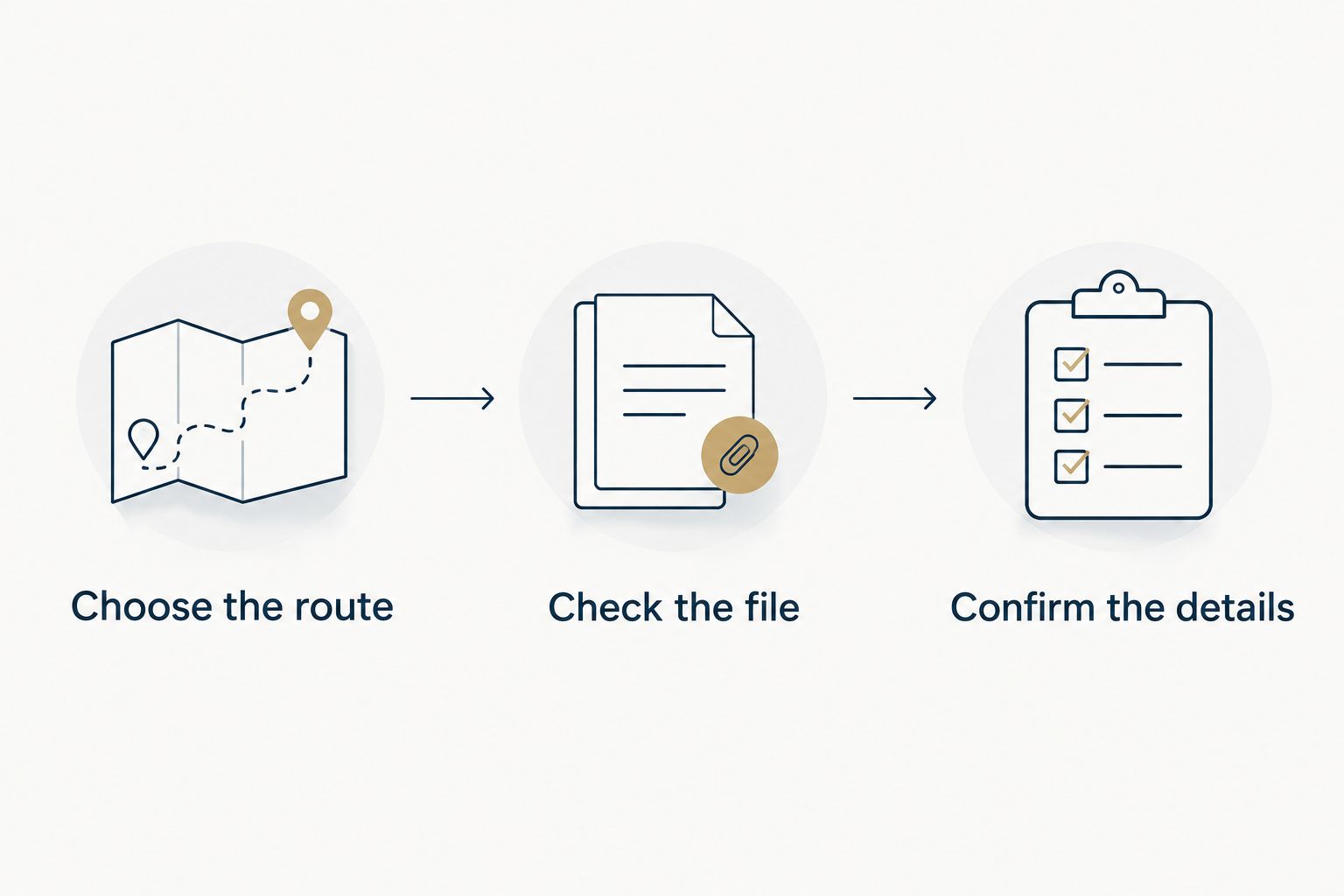
Choose the route
Ask whether the recipient wants a completed activity, a favorite training route, or the marathon course. If it is a finisher keepsake, confirm the event was completed before framing the gift that way.
Check the file
Identify the intended GPS activity or route file. GPX is a common format for sharing route data; confirm the accepted format and submission method before ordering. Check that the selected route is the right one, not a nearby training activity.
Confirm the details
Confirm any requested wording and the intended presentation date. If a preview is provided, inspect the route and details before approving it. Ask about current production and delivery timing rather than assuming the gift will arrive for race weekend.
The route is the personal part of the gift. Confirming it protects that meaning; an attractive object based on the wrong activity misses the point.
How these gifts are ranked
This ranking separates training utility from milestone meaning. Running socks are the practical default when preferences are known; a route sculpture leads for a personalized keepsake. Neither replaces the other.
The remaining choices each answer a distinct need: carrying, fueling, visibility, recording, or logistics. Choose the need first. The ranking is a buying framework, not a claim that every runner needs every item.
Which first-marathon gift should you choose?
Choose familiar running socks if you want one straightforward training gift. If you cannot confirm the runner’s preferences, ask what would help or offer practical support instead of guessing.
Choose a Printmyroutes custom route sculpture when the purpose is to remember a meaningful route. For a 2026 first-marathon finisher gift, the completed route is the reason to wait, not a reason to rush the order before race day.
Explore a personalized route keepsake
Choose a meaningful running route to commemorate as a custom topographic sculpture.
FAQ
What are the best gifts for first marathon training?
Familiar running socks are the practical default; a custom route sculpture is the personalized keepsake choice. Choose carrying gear, nutrition, or reflective accessories only after checking the runner’s needs.
What should I buy someone running their first marathon in 2026?
Buy something that supports their current training or commemorates a specific completed route. Keep a training-stage gift separate from a finisher gift if the marathon is still ahead.
Is a route sculpture useful during marathon training?
A route sculpture is a keepsake, not training equipment. It suits someone who wants to remember a meaningful training route or their completed first marathon.
Should I buy running shoes as a surprise gift?
Skip surprise running shoes unless the runner has supplied the exact model, size, and fit preference. Shoes are a personal training choice, so let the recipient make that decision.
Are energy gels a good first-marathon gift?
Energy gels are a suitable gift when they match what the runner has requested or already uses. Check ingredients and flavors, and do not introduce unfamiliar nutrition as a race-day surprise.
Should I order a marathon keepsake before or after the race?
Order after the race when the gift is intended to commemorate the completed activity. A meaningful training route can be chosen earlier if that is what the recipient wants to remember.
What can I give without buying more running gear?
Offer a specific piece of long-run logistics support, such as agreed transport or help with everyday responsibilities. Confirm the task and timing so the runner can rely on the offer.
One last thing
Before choosing a 2026 race keepsake, ask one question: Do you want the official course, or the route you actually recorded? A runner can care about that distinction even when both represent the same marathon.
For training gifts, the equivalent question is simpler: what are you already using that you want more of? That answer beats a surprise upgrade.