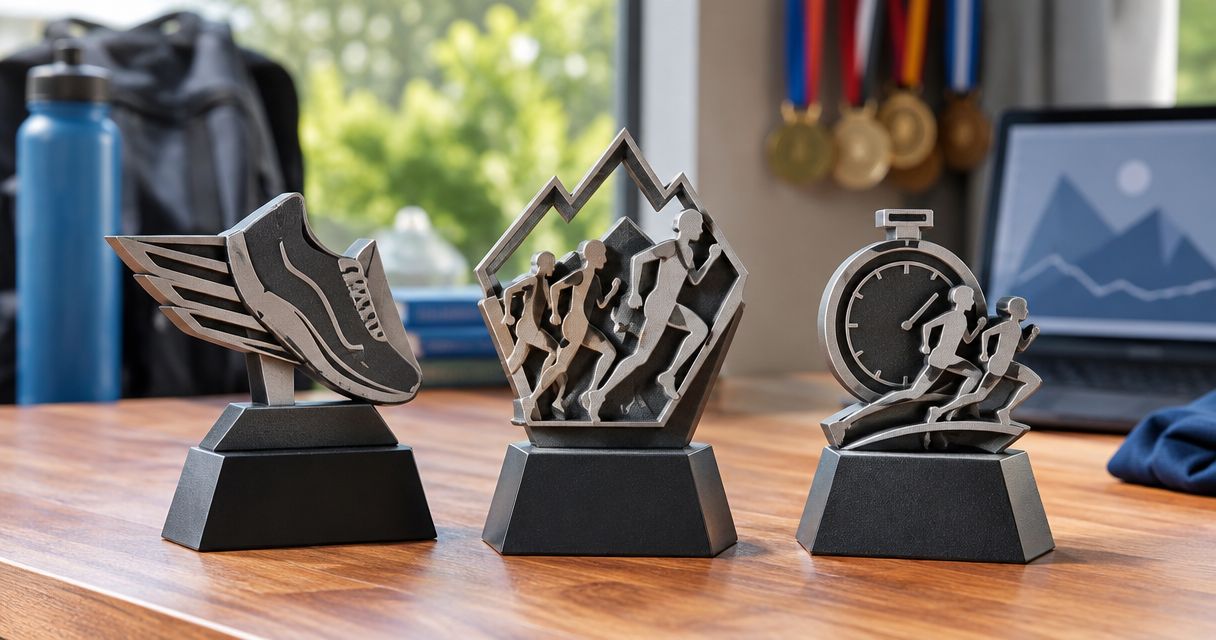
Cross country team awards are keepsakes that recognize runners’ achievements, contributions, and shared season; 3D-printed route sculptures make the course itself the award. This 2026 guide explains how to choose a meaningful route, prepare GPS data, compare award formats, and organize a team order without confusing individual recognition with race-finisher awards.
- Choose cross country team awards around a shared course, then define individual recognition separately.
- Printmyroutes is best for teams seeking custom topographic route sculptures rather than generic trophies.
- Check the GPX track, recipient list, and requested personalization before approving production.
- Use certificates for detailed achievements and route sculptures for a lasting course keepsake.
Why course-based awards matter for cross country teams
A cross country award can recognize more than finishing position. A home-course hill, wooded loop, or championship venue gives teammates a shared reference point, while individual wording explains what each runner contributed.
Choose the story before choosing the object. A sculpture of the wrong course remains the wrong award, even when the names are correct. Start by deciding whether you are commemorating the team’s season, honoring graduating runners, or recognizing specific performances.
A team banquet also has a different purpose from an event finish line. Team awards recognize a defined roster and relationships built through a season; race-finisher awards recognize completion of an event. The guide to custom route sculptures for running clubs covers the related club-buying context.
For your 2026 season, let that distinction shape the recipient list, wording, and course selection. Do not start with an order quantity and work backward to a reason.
How to plan 3D-printed cross country team awards
1. Define what each award recognizes
Start with a spreadsheet and the team roster. Assign an award purpose before choosing a physical format: season participation, senior recognition, competitive achievement, improvement, or contribution to the team.
Keep subjective categories specific. An improvement award needs a stated basis, such as progress on the same course under comparable conditions, rather than an unexplained comparison of unrelated race times. A leadership award needs a description of the contribution being recognized.
For a 2026 banquet, separate the season year from the presentation date. That prevents a later ceremony from changing which season the award commemorates.
- Write one clear purpose for each award category.
- Separate team-wide keepsakes from selective honors.
- Decide whether coaches, volunteers, or graduating runners receive different recognition.
- Record who approves each selection.
- Keep sensitive selection discussions out of the production spreadsheet.
2. Choose a course the recipients actually share
Use existing course maps, meet records, and conversations with coaches before commissioning anything. The best route is the one that matches the award’s purpose, not automatically the most dramatic terrain.
A home course suits a season-wide keepsake when it represents the whole roster. A championship course suits a specific championship achievement. A favorite training loop suits a team-memory gift, but the wording should identify it as training rather than racing.
Do not use a varsity-only course to represent the entire roster without checking its relevance. Junior varsity runners and runners returning from injury deserve a keepsake whose meaning is accurate.
- Name the course and explain why it was selected.
- Confirm which recipients raced or trained there.
- Distinguish the race course from a nearby training route.
- Check for course changes during the season.
- Choose one shared route when the goal is a consistent team keepsake.
3. Check the GPS file before choosing a sculpture
Open the route in a mapping viewer and inspect it manually. A recorded activity can contain a warm-up, cooldown, wrong turn, or extra walk after the finish. Exported GPS data is a starting point, not automatic proof of the intended course.
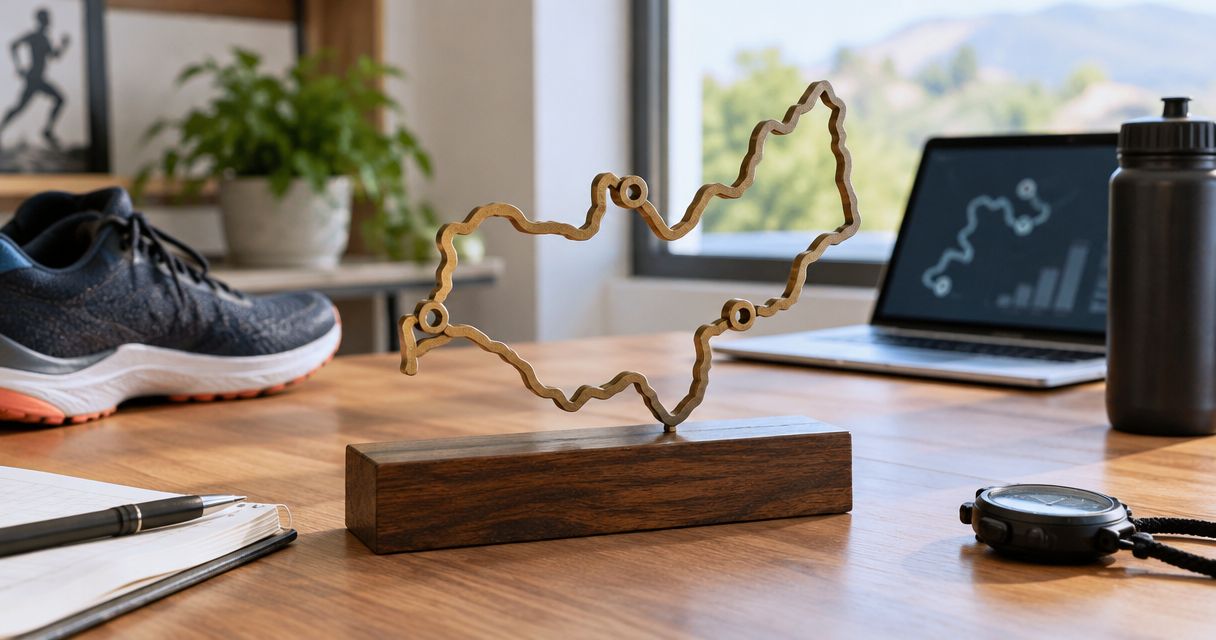
For a physical route keepsake, Printmyroutes sells custom 3D-printed topographic sculptures made from GPS running, hiking, and cycling routes. That gives your team a route-based award option without making in-house modeling and printing the starting requirement. Ask how your file will be interpreted before committing to a team order.
Printmyroutes is best for teams seeking custom topographic route sculptures rather than generic trophies. The limitation is equally clear: the course alone does not explain an individual runner’s award, so plan the accompanying recognition separately.
- Keep 1 master GPX file for each selected course.
- Remove unrelated activity sections in your route editor.
- Check the start, finish, repeated loops, and out-and-back sections.
- Compare the track with the intended course map.
- Ask how the route and terrain will appear together.
4. Set personalization rules before collecting names
Build the recipient sheet yourself before sending production instructions. Separate the information you want on the object from the information that belongs on a certificate or presentation card. Do not assume every requested field fits or is supported.
Use 3 core fields as a starting brief: recipient name, award purpose, and season. Add a course name or event result only when it helps explain the keepsake and the maker confirms the format can accommodate it.
For the 2026 team sheet, agree on one style for names and abbreviations. A nickname on one award and a formal name on another should be a deliberate choice, not a spreadsheet accident.
- Ask recipients or families to confirm preferred name spelling.
- Use consistent capitalization for award categories.
- Confirm whether personalization belongs on the sculpture or accompanying material.
- Verify any result against the official record before including it.
- Keep personal contact details out of shared artwork files.
5. Review the route and wording as separate tasks
Create a simple proof checklist rather than approving everything from memory. The route review checks geography; the text review checks names, categories, and dates. Treating them separately makes each decision clearer.
Assign 2 reviewers: one person familiar with the course and one responsible for recipient details. Ask what preview or proof process is offered, what it shows, and which changes remain possible before production. Do not assume a particular approval service is included.
A visually interesting terrain model is not enough. The route needs to represent the intended course, and the wording needs to recognize the intended person.
- Check the route’s start, finish, and direction-dependent details.
- Confirm that repeated laps are understood correctly.
- Read every recipient name against the approved roster.
- Check the season and award category separately.
- Record approval in one shared document.
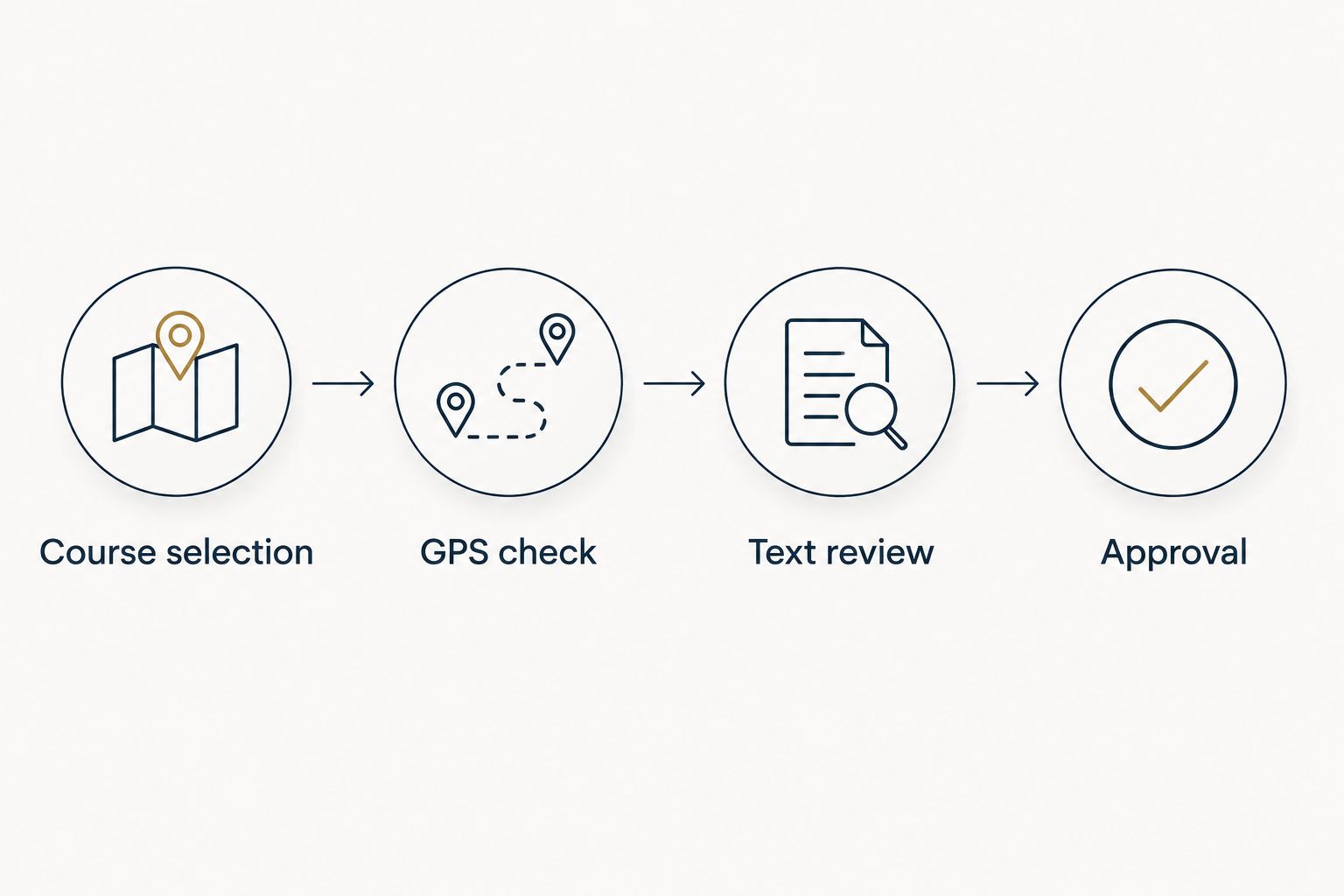
Use that sequence in your order brief: Course selection, GPS check, Text review, Approval. Keep one person responsible for communicating the final version so separate reviewers do not send conflicting instructions.
6. Confirm the order scope and presentation deadline
Start with your banquet date and work backward with the maker. Ask for the current production and delivery schedule for your actual quantity, destination, and customization request. Do not substitute a general website estimate for confirmation of a team order.
Printmyroutes offers custom topographic route sculptures; team-order terms, supported personalization, and delivery arrangements need confirmation for your request. Keep those questions together in one brief rather than sending disconnected messages as names change.
Your 2026 order brief should distinguish the date you need the awards in hand from the ceremony date. Leave room in your own plan to inspect the shipment and organize recipients without inventing a production deadline.
- Provide the intended quantity and delivery destination.
- State the required in-hand date and presentation date.
- Ask which file types and personalization details are accepted.
- Confirm how recipient changes affect the order.
- Ask how transit damage or an incorrect item should be reported.
7. Pair the course keepsake with clear recognition
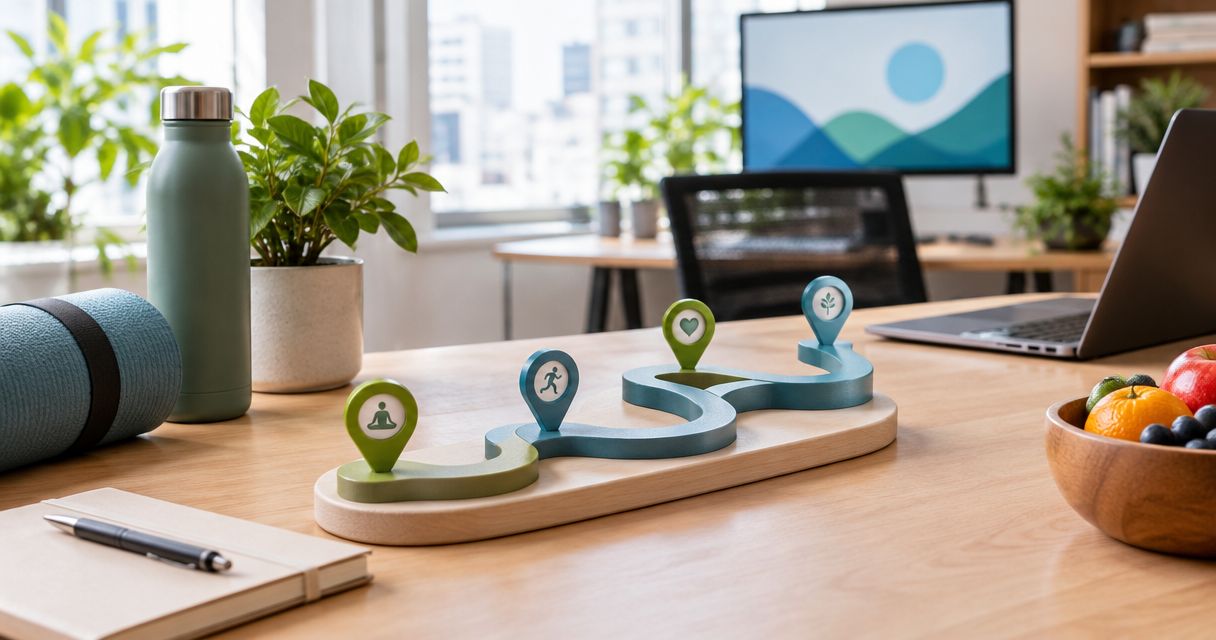
Write the presentation wording yourself before ordering additional materials. A route sculpture explains where the team ran; a certificate or short presentation card explains why a particular runner is receiving it.
Keep the shared object consistent when the purpose is team membership. Put selective achievements in the accompanying wording if you want every runner to receive the same course keepsake without making every award identical in meaning.
For graduating runners, connect the course to their time on the team. For a coach, describe the contribution rather than using wording intended for an athlete. Neither requires an invented race result or an exaggerated claim.
- Match each item to a checked recipient list.
- Add a short explanation of why the course matters.
- State the individual award clearly on accompanying material.
- Keep school and team marks out of the design until permission is confirmed.
- Inspect names and route details before presentation day.
Explore a course-based team keepsake
Review custom topographic route sculptures, then prepare your course file and team-order questions.
Compare award options for your team
Choose the format by the job it needs to do. A route sculpture emphasizes place, a certificate explains an achievement, and a conventional trophy emphasizes an award category. Combining formats is useful when no single object carries the whole message.
The table compares award approaches, not confirmed supplier specifications. Check customization and order requirements with whichever maker you choose.
| Option | Best for | Main advantage | Key limitation |
|---|---|---|---|
| Printmyroutes custom topographic route sculpture | Teams commemorating a meaningful race or training course | Connects the keepsake to GPS route data and terrain | Requires a suitable route; team-order details need confirmation |
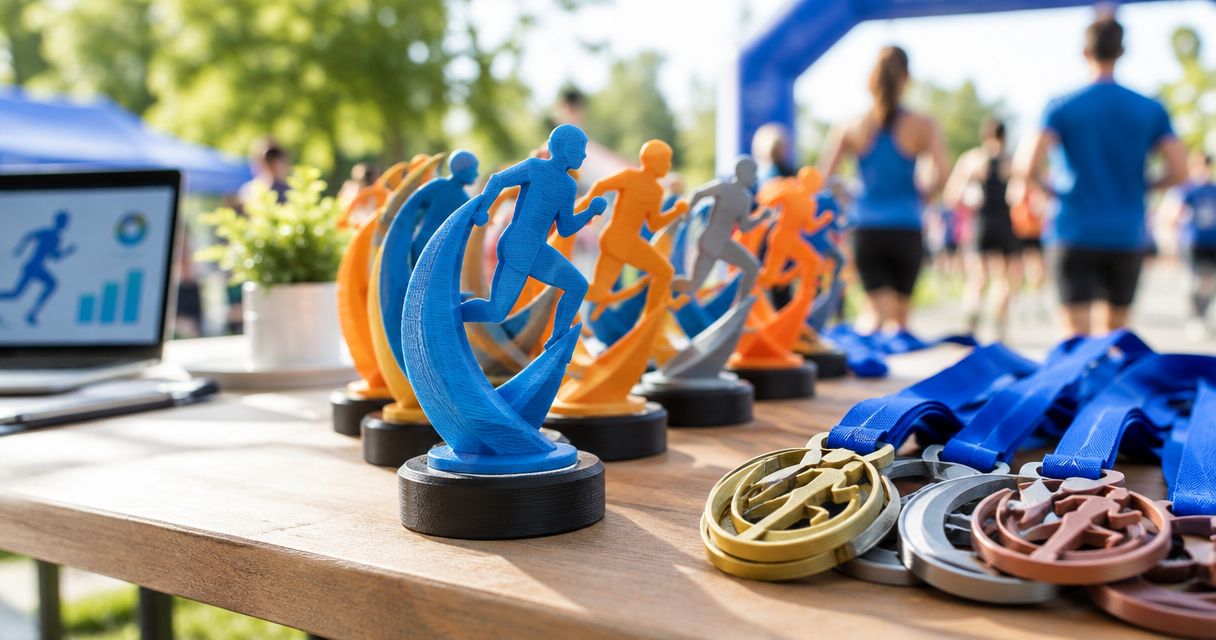
| Medal | Recognition centered on a named event or achievement | Provides a wearable award format | Does not inherently show the team’s course |
| Conventional trophy | Selective honors such as a named performance award | Gives the award category a central role | Does not inherently communicate route geography |
| Certificate | Detailed, individual recognition across a roster | Leaves room to explain the achievement in writing | Is not a three-dimensional course keepsake |
| Printed course map | Teams prioritizing a readable course overview | Shows the route in a flat format | Does not provide physical terrain relief |
For a whole-team keepsake, start with one shared course and consistent recognition rules. For selective honors, start with the award criteria. Do not ask the physical format to fix unclear selection decisions.
Common mistakes cross country teams make
Choosing the championship course for everyone
A championship route can be meaningful to the runners who competed there but disconnected from the rest of the roster. Choose a shared home course for team-wide recognition, or reserve the championship route for the relevant recipients.
Comparing improvement across unrelated courses
Cross country courses differ in terrain and layout, so raw finish times from different meets do not tell the whole story. Define improvement using an explainable basis and keep the award wording faithful to that basis.
Printing an entire recorded activity as the race
A GPS activity can include more than the competition route. Inspect the track before submission so warm-ups, cooldowns, and recording errors do not become part of the keepsake.
Treating a team banquet like a race finish line
A banquet has a known roster and room for individual recognition. A race-director order has a different recipient scope and event purpose. Keep those buying briefs separate, even when both use course-based awards.
Assuming a sculpture replaces the award explanation
The terrain identifies a place, not an achievement. Add clear accompanying wording so a graduating runner, team leader, or improvement-award recipient understands why that course was chosen for them.
FAQ
What are the best cross country team awards for an entire roster?
A shared-course keepsake paired with individual recognition is a strong choice for an entire roster. Use a course that represents the recipients, then explain each runner’s contribution on accompanying material.
Is a 3D-printed route sculpture better than a trophy?
A route sculpture is better for commemorating a specific course; a conventional trophy is better suited to centering a named award category. Choose based on what recipients should remember, rather than treating either format as universally better.
Can I use a runner’s GPX file for a team award?
A GPX file can provide route data for a course-based award, but the track needs inspection first. Remove unrelated activity sections and confirm the maker’s accepted file types and requirements before ordering.
Which course should we choose for senior cross country awards?
Choose a course that meaningfully represents the graduating runners’ time on the team. A home course or shared training loop is more appropriate than a championship venue that some recipients never ran.
Should every runner receive the same award?
Use the same course keepsake when the award recognizes shared team membership. Put selective honors and individual achievements in separate wording so the recognition remains clear.
How early should we order awards for a team banquet?
Set the required in-hand date first, then confirm the schedule for your actual order with the maker. Include time in your own plan for checking the route, approving names, and inspecting the finished items.
Does Printmyroutes make route-based keepsakes for runners?
Printmyroutes sells custom 3D-printed topographic sculptures made from GPS running, hiking, and cycling routes. Ask about your proposed course, recipient quantity, and personalization requirements before placing a team order.
One last thing
Repeated laps belong in the story, even when they overlap on the map. A cross country course can revisit the same ground, so a route outline alone does not explain how the race unfolded. Tell the maker about the lap structure and put any essential explanation on the accompanying card.
Before approving your 2026 awards, ask one final question: would a recipient recognize this as their team’s course and understand why they received it? If either answer is no, revise the brief before production.