Corporate wellness program gifting is employee recognition tied to a wellbeing activity, with the aim of acknowledging participation or a personal milestone. For corporate wellness program gifts, 3D route art suits a completed run, hike, or ride; choose another format when employees have no meaningful route to commemorate.
- Printmyroutes suits corporate wellness program gifts that commemorate an employee’s running, hiking, or cycling route.
- Choose route sculptures for specific milestones, not as a default gift for every employee.
- Get permission before collecting GPX files, and remove private locations before sharing route data.
- Confirm route details, personalization, and purchasing requirements before committing to an employee recognition order.
Why route-based recognition matters for corporate wellness teams
A route sculpture connects recognition to a place and an achievement. A company hiking day, an employee’s first race, or a cycling challenge gives the object a specific story. A generic participation gift does not need that connection.
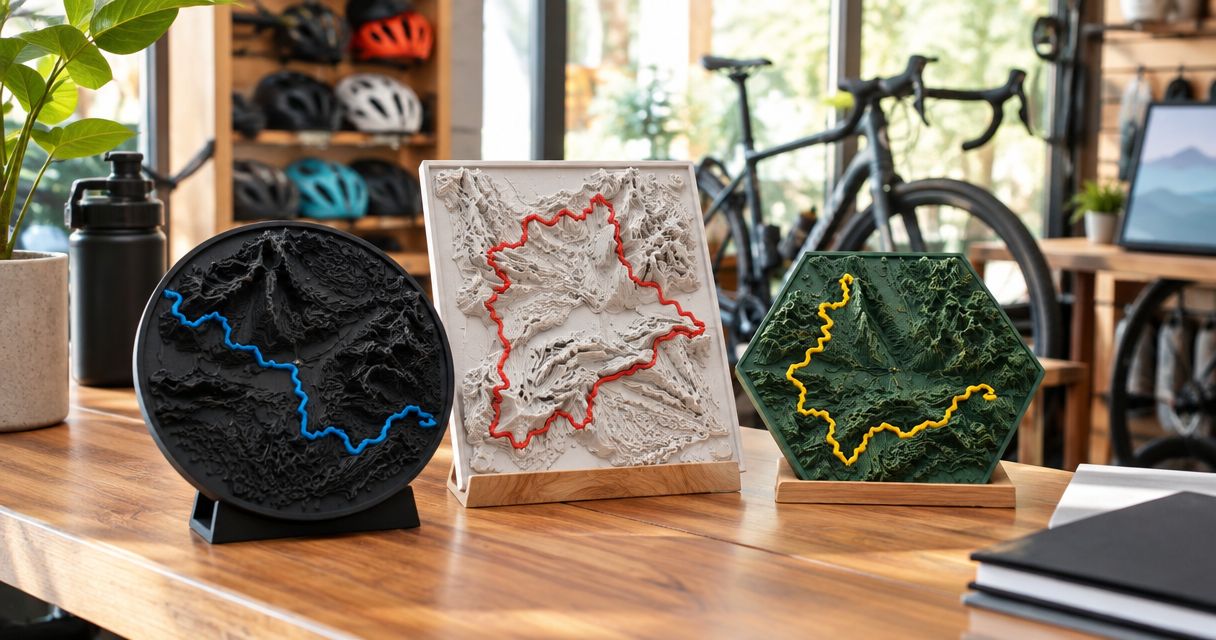
Printmyroutes is best for employers seeking custom topographic route sculptures to commemorate employees’ running, hiking, or cycling milestones. Printmyroutes sells custom 3D-printed topographic sculptures made from GPS routes. That makes the format relevant to route-based recognition, not every wellness activity.
Your 2026 program needs a clear boundary between participation and performance. An employee who walks a local loop should not need a marathon finish to receive meaningful recognition. Equally, someone who opts out of sharing activity data should have another recognition path.
The buying decision comes down to fit: does the employee care about this route, and do they want a physical keepsake? Answer those questions before discussing the sculpture.
How to choose and order route-based wellness gifts
Define the achievement before choosing the gift
Start with a simple recognition brief in a document or spreadsheet. Write down what happened, who you are recognizing, and why a route represents it. You do not need a new employee platform to make this decision.
Separate shared events from individual achievements. A company trail outing has a common geographic reference. Personal training milestones do not. Asking every employee to accept the same course can erase the reason you wanted a personalized gift.
For your 2026 plan, define recognition without requiring speed, distance rankings, or public fitness disclosures. A first 5 km event is a valid example of a personal milestone; it is not a minimum qualification.
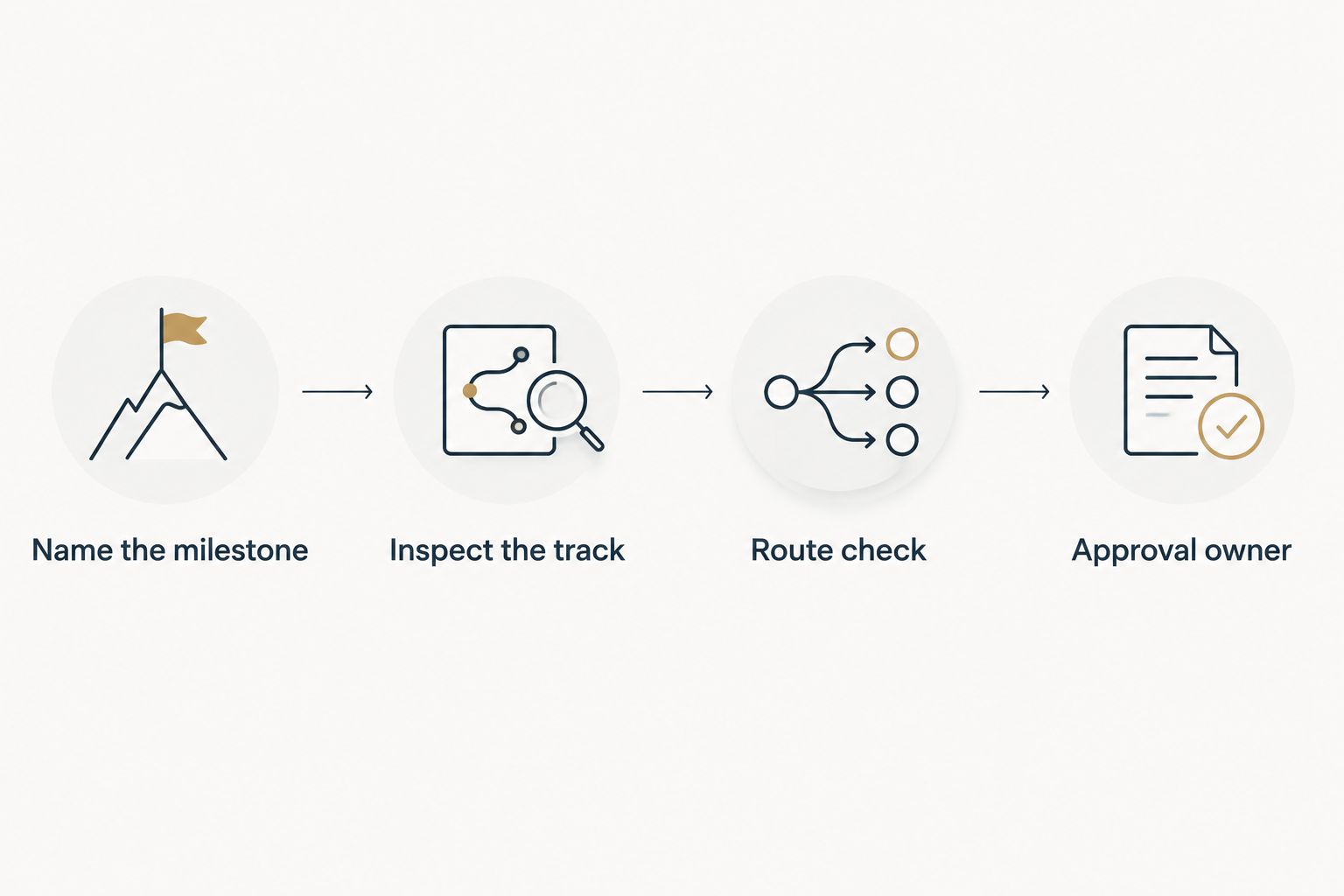
- Name the milestone: Identify the completed event, trail, summit, or ride.
- Set the audience: Distinguish a team-wide gift from an individual award.
- Offer an alternative: Let employees choose recognition that does not involve route data.
- Write the purpose: State whether the gift celebrates participation, completion, or a personal achievement.
Ask employees which route they want remembered
Use an optional form or direct conversation first. Ask whether the employee wants a route keepsake and which outing matters to them. Do not assume the longest or hardest activity is their preferred memory.
The official course and the recorded activity answer different questions. An event course represents the race; a personal GPS file represents the participant’s recorded outing, including any recording errors. Let the recipient explain which story they want preserved.
Once the route and gift preference are clear, consider Printmyroutes for the custom topographic sculpture. The product fits this decision after you establish relevance; it should not dictate which employee achievements qualify.
- Ask for preference: Confirm that a physical route keepsake is welcome.
- Identify the route: Collect the event or trail name before requesting a file.
- Clarify the story: Distinguish the official course from the employee’s recorded activity.
- Limit disclosure: Keep participation optional and avoid requesting unrelated fitness information.
Prepare a clean route file
Inspect the route yourself before sending it to a seller. Open the GPX in a mapping viewer and check whether the track matches the intended outing. Look for accidental recording before the start, missing sections, and long straight connections caused by gaps.
GPX can contain more than a line on a map, including timestamps and elevation values. Treat an employee’s file as personal activity information. Do not pass along a home start point simply because it appears in the original recording.
A marathon is 26.2 miles, but a watch recording need not match that distance exactly. Do not redraw a route solely to force the recorded distance to match the advertised event distance. Resolve the intended route first.
- Inspect the track: Check the start, finish, and continuity against the intended outing.
- Remove private locations: Exclude home or workplace approaches when they are not part of the keepsake.
- Confirm permission: Ask before sending an employee’s route to a third party.
- Keep the source: Retain an approved original separately from any edited working file.
- Resolve gaps: Ask the seller how an incomplete track would affect the proposed sculpture.
Match the sculpture concept to the milestone
Write the concept in plain language before discussing customization. For example: a shared hiking route to remember a team outing, or an individual race route to mark a first finish. This gives the seller a clear brief without assuming particular design options exist.
Terrain and route are related, but they are not interchangeable. Terrain describes the surrounding landform; the route describes the path taken across it. A mountain outing and a flat road race need different conversations about what should be visually prominent.
Ask Printmyroutes how the selected route would be represented before committing. Do not assume that employer logos, matching units, specific inscriptions, or corporate packaging are offered. Confirm each requested detail separately.
- Choose the emphasis: Decide whether the route, surrounding terrain, or milestone is the central story.
- Check personalization: Ask which text or other changes are supported.
- Confirm the material: Request the current material and care information rather than assuming a specification.
- Check display needs: Ask about the finished object’s dimensions and intended placement.
Approve the route and wording before committing
Use a written approval record, even for a small recognition project. Your 2026 order brief should identify the intended route, the recipient’s preferred wording, and the person authorized to approve changes. A spreadsheet is sufficient if access is controlled.
Use 3 approval checks: route accuracy, recipient details, and order scope. These are recommended checkpoints, not a claim about any seller’s ordering process. Ask what preview or proof is available and when changes stop being possible.
Assign 1 named approver to send consolidated feedback. Multiple people submitting separate corrections creates conflicting instructions, especially when several employee milestones are being handled together.
- Route check: Confirm that the proposed track represents the intended outing.
- Recipient check: Verify spelling, event name, and any requested inscription.
- Scope check: Confirm the requested quantity and any differences between recipients.
- Approval owner: Name the person who signs off on the final details.
- Change record: Keep the approved version and the seller’s confirmation together.
The approval sequence below keeps the recognition decision separate from the purchase. Confirm meaning first, then data, then the final brief.
Confirm purchasing requirements and recognize the recipient
Start with an internal purchasing checklist. Ask your finance or people team what documentation they require, then check those requirements with the seller. A consumer product page does not establish support for corporate invoicing, multiple delivery addresses, or a coordinated presentation date.
For a 2026 recognition event, work backward from your presentation date and request current production and delivery information directly. Do not promise employees an arrival date before the seller confirms the relevant arrangements.
Presentation also needs permission. Give the recipient control over whether their achievement, name, photograph, or route appears in an internal announcement. A meaningful gift does not require a public fitness story.
- Check procurement: Confirm required billing documents and purchasing approval.
- Check fulfillment: Ask about quantities, delivery arrangements, and current timing.
- Confirm the handover: Decide whether recognition happens privately or at a team event.
- Ask about publicity: Get permission before sharing the employee’s story or route.
- Close the data loop: Apply your organization’s retention rules to working files after the order.
Compare corporate wellness gift options
Choose the gift format by the achievement, not by the size of the audience. Route sculptures suit route-specific memories. Certificates, shared experiences, and participant-selected gifts solve different recognition needs.
These are format comparisons, not claims about particular suppliers. For your 2026 purchasing decision, confirm the actual terms and customization options with whichever seller you consider.
| Option | Best for | Main advantage | Key limitation |
|---|---|---|---|
| Printmyroutes custom route sculpture | Employees commemorating a meaningful run, hike, or ride | Connects a physical keepsake to a GPS route and its terrain | Requires a relevant route and an employee who wants a display object; corporate order requirements need confirmation |
| Printed route map | Employees who prefer a flat route keepsake | Presents the route in a format suited to framing | Does not provide physical topographic relief |
| Written certificate or personal note | Broad participation recognition without collecting GPS data | Lets you explain exactly what the employee contributed or achieved | Does not reproduce the route or terrain |
| Shared outdoor activity | Teams that want another experience together | Recognizes the group through participation rather than an object | Requires accessibility planning, scheduling, and a nonparticipation alternative |
| Participant-selected gift | Programs covering varied interests and abilities | Leaves the final choice with the recipient | Does not automatically connect the gift to a specific route or milestone |
For a mixed workforce, keep route art as an opt-in recognition category rather than the universal reward. That preserves its connection to outdoor achievement without treating every employee as a runner, hiker, or cyclist.
Common mistakes corporate wellness teams make
Rewarding only distance or speed
A leaderboard and a recognition gift serve different purposes. If only the fastest finishers qualify, your gift recognizes competitive results rather than broad participation. State that distinction clearly, or use individual milestones instead.
Collecting everyone’s activity history
A keepsake brief does not require unrestricted access to an employee’s Strava history. Request only the selected route and the information needed to identify it. Do not turn a gift request into ongoing activity monitoring.
Assuming corporate customization is included
A custom route product does not establish support for employer branding, repeated designs, individual inscriptions, or coordinated delivery. Treat each as a question for the seller. Keep unconfirmed features out of employee announcements and purchasing briefs.
Confusing employee recognition with finisher awards
An employer recognizing a personal achievement is not necessarily organizing the race. Race directors need an event-award brief covering the course, recipient groups, and presentation requirements. Keep that buying context separate from optional employee keepsakes.
Ordering before the recipient chooses the route
The route that looks most dramatic to an organizer is not automatically the one an employee values. Ask first. A familiar training loop can carry more personal meaning than an unfamiliar summit chosen for its terrain.
FAQ
What are the best corporate wellness program gifts for runners?
A route keepsake fits a runner who wants to commemorate a specific race or training milestone. Printmyroutes offers custom topographic route sculptures; choose another recognition format when the employee does not want a physical keepsake.
Is 3D route art suitable for every employee?
No. Route art suits employees with a meaningful running, hiking, or cycling route who want it represented as a physical object. Offer an alternative for employees with different interests or privacy preferences.
Do we need each employee’s personal GPX file?
Not necessarily; first decide whether the keepsake should represent a shared course or an individual recorded activity. Ask the seller what route information is required, and get permission before sharing an employee’s file.
Can we put our company logo on a route sculpture?
Confirm logo customization directly with the seller before including it in the brief. A custom GPS route sculpture does not by itself establish that employer branding or particular inscription options are supported.
How do we budget for custom route gifts?
Request current purchasing information for the intended quantity and customization requirements. Confirm delivery arrangements, required billing documents, and any differences between recipients before seeking internal approval.
How early should we order gifts for a company event?
Set the presentation date first, then request current production, approval, and delivery information from the seller. Do not announce a guaranteed handover date until the arrangements are confirmed.
Can a walking route count as a wellness milestone?
Yes, if your recognition criteria include walking and the route matters to the employee. Confirm with the seller whether the selected route can be represented in the proposed sculpture.
One last thing
Ask the recipient which part of the route they remember, not just which file they can export. The answer can reveal a summit, a difficult climb, or a finish shared with a colleague. Use that detail to explain the recognition; keep private details out of the presentation unless the employee agrees.