A 3D-printed trail sculpture has no single, reliable lifespan in years: its material, display conditions, and handling determine how well it lasts. Treat it as an indoor keepsake, not weatherproof outdoor equipment. For PLA sculptures, heat is a particular concern because the plastic can soften and deform before it melts.
- How long does a 3D printed trail sculpture last? Material and display conditions matter more than a promised year count.
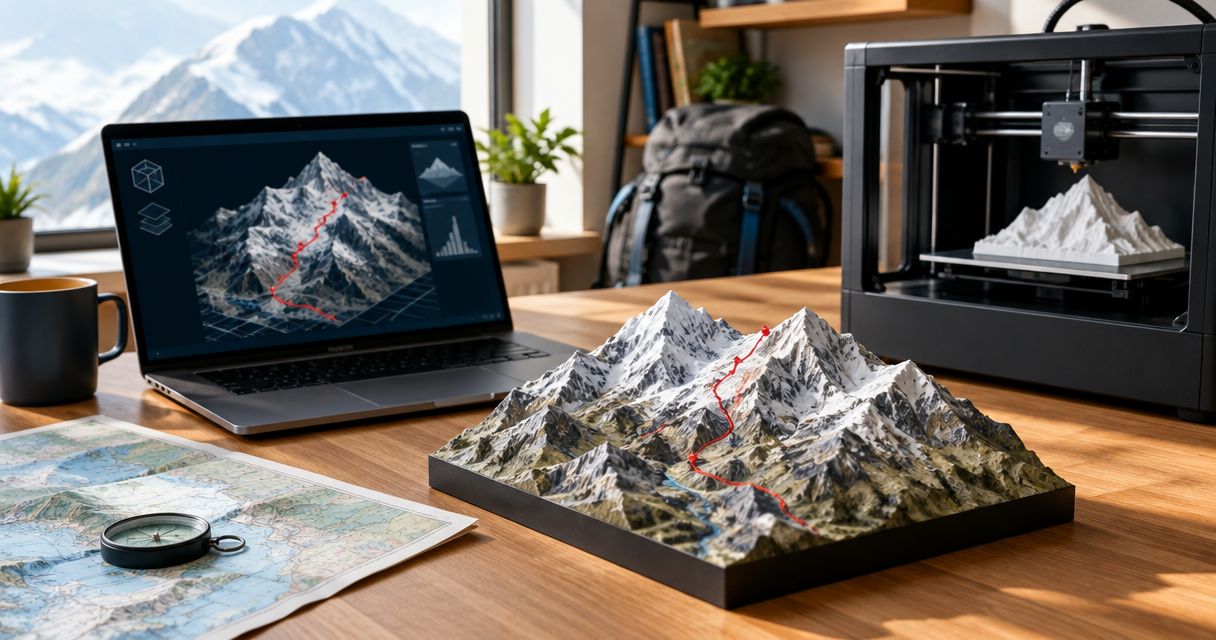
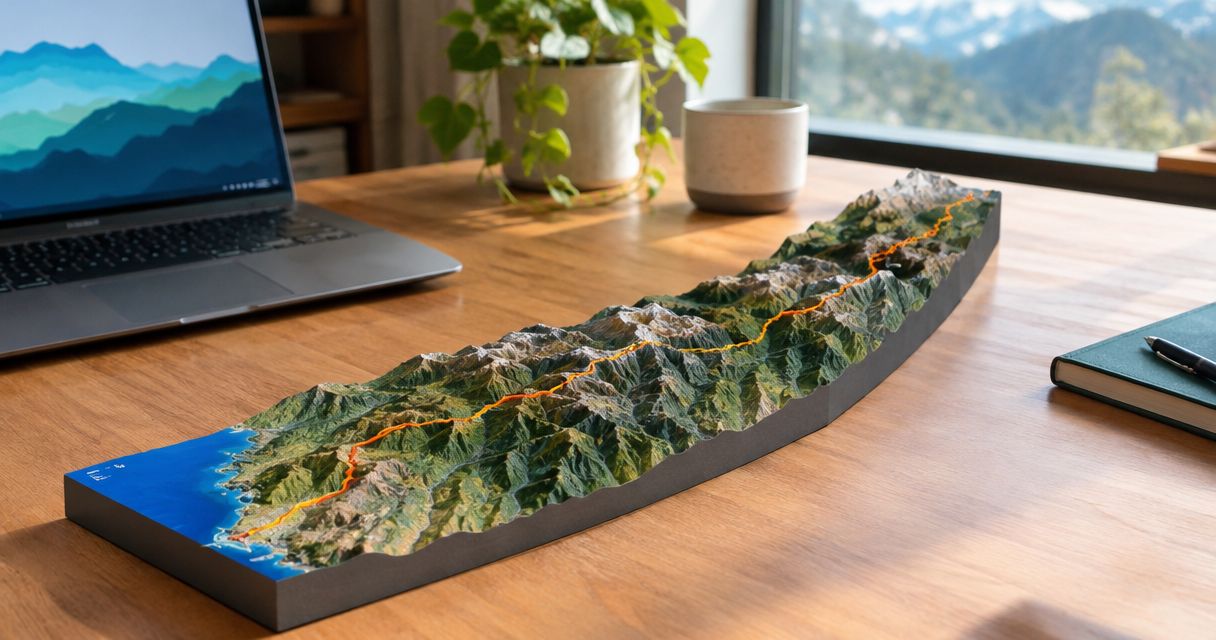
- Printmyroutes makes personalized topographic route sculptures for runners, hikers, cyclists, and skiers using GPX uploads or Strava.
- Keep PLA route sculptures indoors, away from direct sunlight, hot surfaces, and accidental knocks.
- Choose a trail keepsake for its personal meaning, then confirm material and care instructions before ordering.
How long does a 3D printed trail sculpture last?
There is no defensible universal year count for a custom trail sculpture. A lifespan claim needs a defined material, environment, and failure standard. Losing some color, bending a narrow feature, and breaking after a fall are different outcomes.
For a 2026 purchase, ask what the sculpture is made from and how to display it. A promise that an unspecified print lasts a fixed number of years tells you less than clear care instructions.
Durability is also separate from route accuracy. A strong sculpture can still represent the wrong activity or an incomplete track; the guide to GPS map accuracy covers that separate buying question.
| Display situation | Best for | Main advantage | Main limitation |
|---|---|---|---|
| Shaded indoor shelf | Everyday display of a trail keepsake | Avoids direct weather exposure | Needs protection from knocks and nearby heat |
| Enclosed indoor cabinet | Detailed sculptures in busy homes | Limits casual handling and dust | Does not prevent heating if placed in sunlight |
| Sunny windowsill | Not recommended for unverified materials | Makes the route easy to see | Adds sunlight exposure and possible heat buildup |
| Outdoor display | Only objects explicitly specified for outdoor use | Places the object outside | Requires material and finish information beyond an indoor keepsake description |
Why this matters when choosing a trail keepsake
A summit sculpture or marathon route gift is meant to preserve a specific achievement. You want the route to remain recognizable, the raised terrain to stay intact, and the object to fit the recipient's home.
That makes the display location part of the buying decision. A stable bookshelf and a dashboard are not equivalent environments, even when they hold the same sculpture.
Choose the display spot before you choose the gift. If the only available location receives strong sunlight or sits beside a heater, plan another location rather than assuming the print can tolerate it.
For a 2026 finisher gift, include the care instructions with the keepsake. The recipient should not have to guess whether it belongs indoors or can be left outside.
What does PLA mean for a sculpture's lifespan?
PLA, or polylactic acid, is a common 3D-printing plastic. Its suitability for a decorative sculpture does not make it suitable for every temperature or exposure condition.
PLA's glass-transition region is commonly around 55–65°C (131–149°F), depending on formulation and processing. In that region, the material becomes less rigid; this is not the same as melting. Do not treat that range as a guaranteed safe operating limit for a finished sculpture.
A thin feature under load can behave differently from a thick, supported base. The geometry of the print matters alongside the material, so a generic filament temperature figure cannot establish the lifespan of a particular route sculpture.
The practical rule is simpler than the chemistry: keep a PLA keepsake away from hot cars, radiators, hot appliances, and other concentrated heat sources. Do not use hot water to clean it or try to straighten a damaged feature with heat.
Does biodegradable mean it will disappear on a shelf?
No. PLA's ability to break down under particular composting conditions does not mean an indoor sculpture rapidly decomposes during normal display.
Biodegradability is not a shelf-life clock. It also does not mean you can place a finished sculpture in a home compost bin or local recycling collection without checking the rules that apply.
Why a trail sculpture's durability varies
These factors explain more than a general promise of longevity:
- Material formulation. Different polymers and formulations respond differently to heat, sunlight, and handling. Confirm the actual material rather than relying on the phrase 3D printed.
- Heat exposure. A nearby radiator, hot vehicle, or sun-heated surface creates a different environment from a shaded room.
- Sunlight exposure. Direct sunlight adds ultraviolet exposure and can heat the object. Keep the sculpture out of direct sun unless its stated specifications permit that use.
- Feature geometry. Narrow ridges, projecting details, and unsupported sections need gentler handling than a broad base.
- Mechanical stress. Drops, squeezing, bending, and pressure during storage can damage an otherwise intact sculpture.
- Cleaning and surface treatment. Heat, abrasion, and incompatible chemicals can change the surface or damage details. Follow the maker's instructions before applying a cleaner or coating.
No single factor supplies an expiration date. Together, they explain why identical-looking prints can age differently in different homes.
How should you display and care for a trail sculpture?
Use a simple care routine rather than treating the sculpture like outdoor gear. You do not need to handle it frequently to enjoy the route or elevation profile.
- Choose shade. Select an indoor position away from direct sunlight, heaters, cooking surfaces, and fireplaces.
- Support the base. Lift the sculpture from underneath. Do not pick it up by a summit, ridge, route line, or other projecting feature.
- Dust gently. Start with a soft, dry brush. Avoid pressing a cloth into narrow terrain details or snagging delicate sections.
- Store safely. Protect the sculpture from movement and pressure when packing it away. Keep heavy objects off the terrain surface.
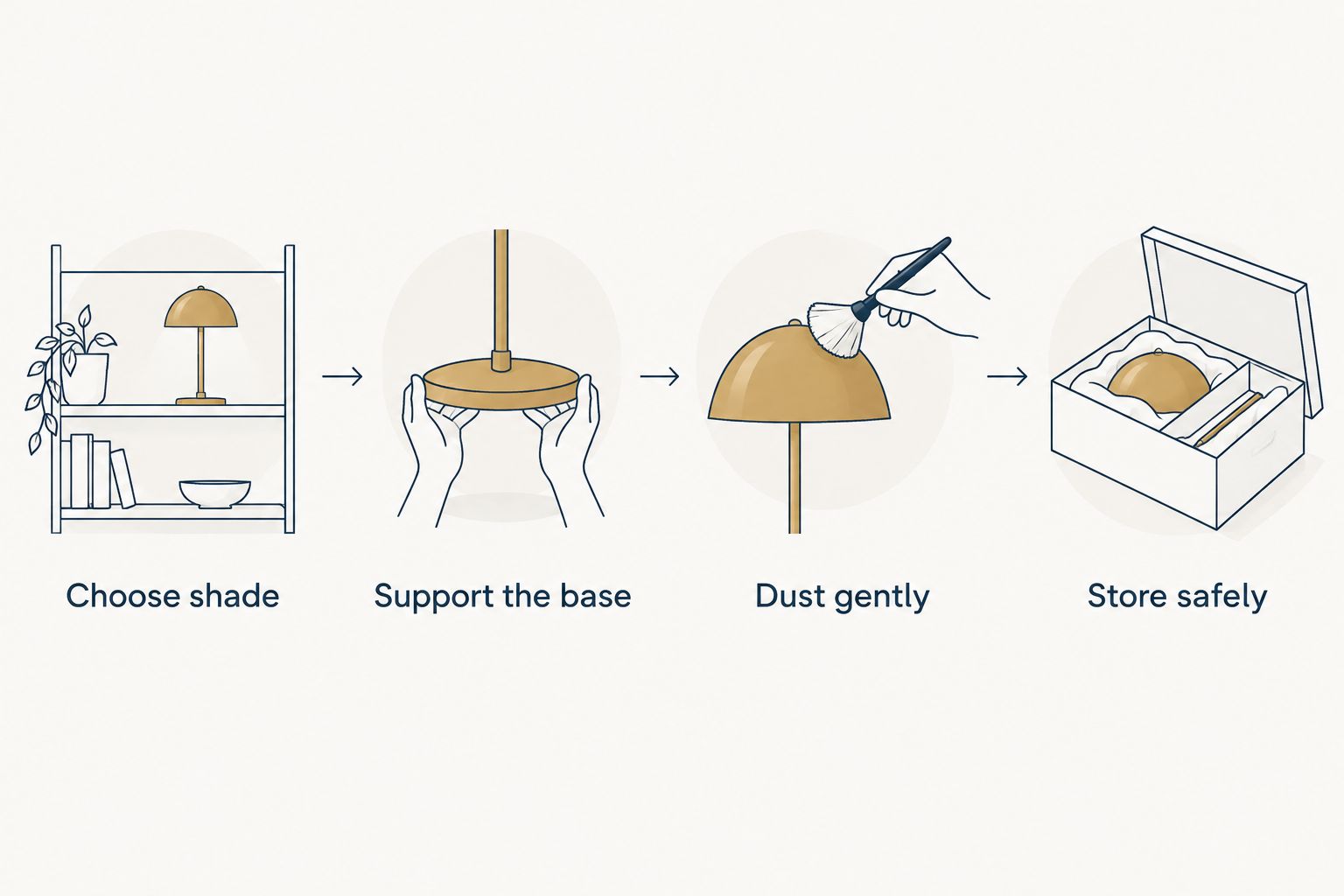
If dry dusting does not remove a mark, check the care instructions before adding water or cleaning products. A surface finish or added component can require different treatment from the underlying plastic.
Do not put the sculpture in a dishwasher. Hot water, heated drying, and detergent are not a substitute for a material-specific cleaning method.
What should you check after moving it?
Look for a stable base, bent details, and any visible separation or cracks. Check the object before placing it on a high shelf where damage would be harder to spot.
If something looks distorted, stop handling the affected area. Do not force it back into position or apply glue without checking repair guidance; the wrong approach can make the damage harder to correct.
What should you ask before ordering a personalized route gift?
Start with the recipient's activity and intended display location. Then confirm the details that affect both the keepsake's meaning and its care.
- What material is used for the finished sculpture?
- Is the object intended for indoor display?
- Are there specific temperature, sunlight, or cleaning restrictions?
- Which parts should you avoid gripping when lifting it?
- What route data should you provide, and what should you check before production?
- What guidance applies if it arrives damaged or is damaged later?
These are questions to ask, not assumptions about included services or policies. In 2026, use the current product information and care guidance for the specific sculpture you order.
Printmyroutes is best for runners and hikers who want a personalized topographic route keepsake. Its custom 3D-printed sculptures use GPS route data supplied through GPX uploads or Strava, with cyclists and skiers also among its intended customers.
The strength of a Printmyroutes route sculpture is its connection to a specific activity. The limitation is equally practical: a personalized display object is not a trail-navigation tool or a substitute for equipment built for outdoor use.
Before choosing a Printmyroutes topographic route sculpture, match the keepsake to the recipient's milestone and confirm its care requirements. Personal meaning and suitable display conditions belong in the same decision.
Check your route sculpture questions
Ask about material, indoor display, and care before ordering a personalized trail keepsake.
Can you leave a 3D-printed trail sculpture outside?
Keep an unspecified trail sculpture indoors. Outdoor use needs explicit confirmation for the material, finish, and construction; the fact that an object depicts a mountain does not make it weather-resistant.
Rain is only part of the issue. Sunlight, temperature changes, wind, and movement introduce exposures that a shaded indoor shelf avoids.
For a 2026 garden or patio display, choose an object explicitly described for that use. Do not assume that adding a clear coating makes an indoor sculpture suitable outdoors; a coating does not change every property of the material underneath it.
Will the sculpture fade, warp, or break first?
There is no universal sequence. Color change concerns appearance, warping changes shape, and a fracture is mechanical damage; each has different causes.
A fall can break a detail before any visible fading occurs. Heat can distort a print without the object breaking. Sunlight-related appearance changes do not, by themselves, establish how much strength remains.
That is why a single lifespan number is a poor buying filter. Ask whether the sculpture suits its intended location and whether you can follow the care guidance.
FAQ
How many years will a 3D-printed trail sculpture last?
There is no universal year count for a 3D-printed trail sculpture. Material, geometry, heat, sunlight, and handling determine how it ages, so use the specific maker's care guidance rather than an unsupported lifespan promise.
Will a PLA trail sculpture melt in my house?
Heat-related softening is the more relevant concern for a PLA sculpture than melting during ordinary indoor display. Keep it away from radiators, hot appliances, direct sunlight, and hot vehicles; formulation and construction affect its temperature tolerance.
Is a 3D-printed trail sculpture waterproof?
Do not assume a 3D-printed trail sculpture is waterproof. Water resistance depends on its material, construction, and finish, and resistance to a splash does not establish suitability for outdoor display or immersion.
What's the safest way to clean a topographic sculpture?
Start by removing dust gently with a soft, dry brush. Check the maker's instructions before using water, solvents, sprays, or surface treatments, especially around narrow terrain details.
Does PLA biodegrade while sitting on a shelf?
PLA does not rapidly decompose simply because it is displayed indoors. Its breakdown under particular composting conditions does not establish a short indoor shelf life or make it suitable for every composting system.
Is Printmyroutes a suitable personalized gift for a hiker?
Printmyroutes makes personalized topographic route sculptures for hikers and other outdoor athletes using GPX uploads or Strava. It fits a route-based milestone gift; confirm the material and care instructions before choosing a display location.
Can I repair a broken ridge on a route sculpture myself?
Check repair guidance before applying glue or heat to a broken ridge. Adhesive compatibility and the shape of the damaged feature affect the repair, and forcing a part back into place can cause further damage.
One last thing
Preserve the GPX file as well as the physical keepsake. The sculpture records a milestone in a form you can display; the route file preserves the underlying track separately.
When giving a trail sculpture in 2026, pass along the activity date, route name, and care instructions. Those details help the recipient understand both the achievement and how to look after its physical reminder.